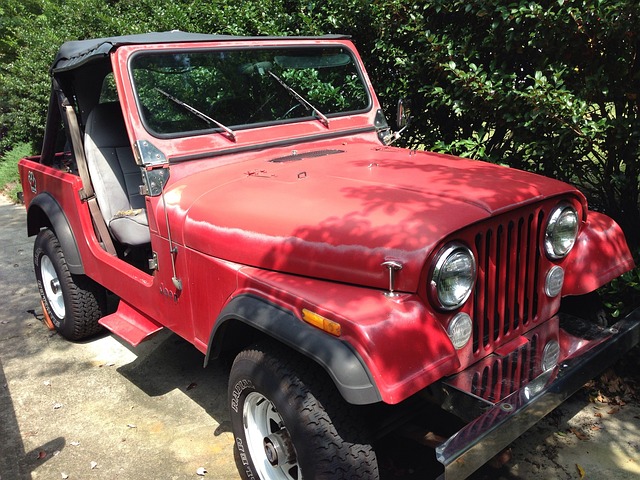
In this comprehensive guide, we explore best practices for fleet truck maintenance, drawing insights from experts at a leading Brownsville Tx 4×4 shop. Discover strategies to enhance efficiency, reduce downtime, and extend the lifespan of your commercial vehicles.
Introduction: The Importance of Regular Fleet Maintenance
In the demanding world of commercial trucking, reliable vehicle performance is paramount. At a top-tier Brownsville Tx 4×4 shop, seasoned mechanics emphasize that preventative maintenance is key to keeping fleets on the road and minimizing costly breakdowns. This article delves into essential practices for fleet truck maintenance, drawing on their expertise to help business owners optimize their operations.
I. Establishing a Comprehensive Maintenance Program
A well-structured maintenance program forms the foundation of any successful fleet management strategy. Here’s how to build one:
A. Regular Scheduling:
Set consistent service intervals based on manufacturer recommendations and vehicle usage patterns. Regular oil changes, filter replacements, and brake checks are non-negotiable for preventing wear and tear. A Brownsville Tx 4×4 shop emphasizes the importance of adhering to these schedules to catch potential issues early.
B. Preventative Measures:
Go beyond basic service appointments. Implement a proactive approach by conducting daily inspections, monitoring fuel consumption, and tracking tire wear. Addressing minor issues before they escalate can save significant time and money in the long run.
C. Documentation is Key:
Maintain meticulous records of all maintenance activities, repairs, and inspections. This detailed history facilitates traceability, enables trend analysis, and aids in identifying recurring problems within your fleet.
II. Prioritizing Critical Systems for Maintenance
Commercial trucks rely on several intricate systems. Focus your maintenance efforts on these critical areas:
A. Engine Health:
The engine is the heart of any truck. Regular oil and filter changes, along with timely tune-ups, are essential to maintaining optimal performance and fuel efficiency. A Brownsville Tx 4×4 shop recommends periodic engine diagnostics to identify potential issues before they cause significant damage.
B. Brake Systems:
Safe braking is paramount for fleet safety. Ensure regular inspections of brake pads, rotors, and fluid levels. Replace worn components promptly to prevent accidents and ensure driver comfort.
C. Tire Management:
Tire maintenance is both cost-effective and safety-critical. Monitor tire pressure regularly, rotate tires as recommended by the manufacturer, and address any signs of abnormal wear. A well-maintained tire program extends tire life, improves fuel economy, and reduces the risk of catastrophic failure.
III. Embracing Technology for Enhanced Efficiency
Modern technology offers powerful tools to streamline fleet maintenance:
A. Telematics Systems:
These devices track vehicle location, driver behavior, and performance metrics in real-time. By analyzing this data, you can identify fuel-inefficient routes, monitor driver compliance with maintenance schedules, and predict potential equipment failures before they occur.
B. Digital Service Records:
Digital platforms allow for secure storage of service histories, making it easy to access and share information across your organization. This streamlines the maintenance process and ensures accountability.
C. Remote Diagnostics:
Some advanced systems can even perform remote diagnostics on trucks, detecting issues before they require a physical inspection. This proactive approach minimizes downtime and enhances operational efficiency.
IV. Building Relationships with Reliable Service Providers
Choosing the right Brownsville Tx 4×4 shop is crucial for consistent, high-quality service:
A. Expertise and Experience:
Look for a shop with experienced technicians who specialize in commercial truck maintenance. Their deep knowledge ensures accurate diagnoses and effective solutions.
B. Reputational Evidence:
Read online reviews and ask for referrals from fellow fleet operators to gauge the shop’s reputation and customer service. A solid track record of satisfied clients is a strong indicator of quality.
C. Transparent Pricing:
Clear pricing structures foster trust and allow for better budget planning. Ensure you understand the cost of parts, labor, and any additional services before work begins.
Frequently Asked Questions
-
How often should I have my trucks serviced?
Ideally, follow manufacturer recommendations for service intervals, which typically range from 3,000 to 5,000 miles or every three months. However, daily inspections and monitoring can help identify needs beyond these schedules.
-
What are some signs that indicate my truck needs maintenance?
Look out for unusual noises, decreased fuel efficiency, vibrations, strange smells, or lights on the dashboard. Addressing these issues promptly prevents more serious problems later.
-
How can I reduce the cost of fleet maintenance?
Regular preventative maintenance is the most effective strategy. Additionally, implementing driver training programs to promote safe driving habits and utilizing telematics for optimized routing can significantly lower costs.
-
Can technology really help with fleet maintenance?
Absolutely! Telematics, digital service records, and remote diagnostics are powerful tools that enhance efficiency, predictiveness, and overall cost control.
-
What should I look for when choosing a Brownsville Tx 4×4 shop?
Prioritize shops with experienced technicians, a strong reputation, transparent pricing, and a commitment to customer service.
Conclusion
Implementing best practices for fleet truck maintenance is an investment that pays dividends in safety, reliability, and cost savings. By adhering to structured schedules, prioritizing key systems, embracing technology, and partnering with reputable service providers like a top-tier Brownsville Tx 4×4 shop, businesses can keep their fleets running smoothly and efficiently. Remember, proactive care is the key to minimizing downtime and maximizing the lifespan of your commercial vehicles.